
The Diablo franchise has shaped action RPGs for nearly three decades. From its humble beginnings with the original 1996 release to the latest expansions and mobile entries, each game carries its own legacy, strengths, and challenges. This 2026 guide ranks all Diablo games from best to worst, assigning tiers and highlighting key gameplay elements to help both newcomers and veterans navigate the dark world of Sanctuary.
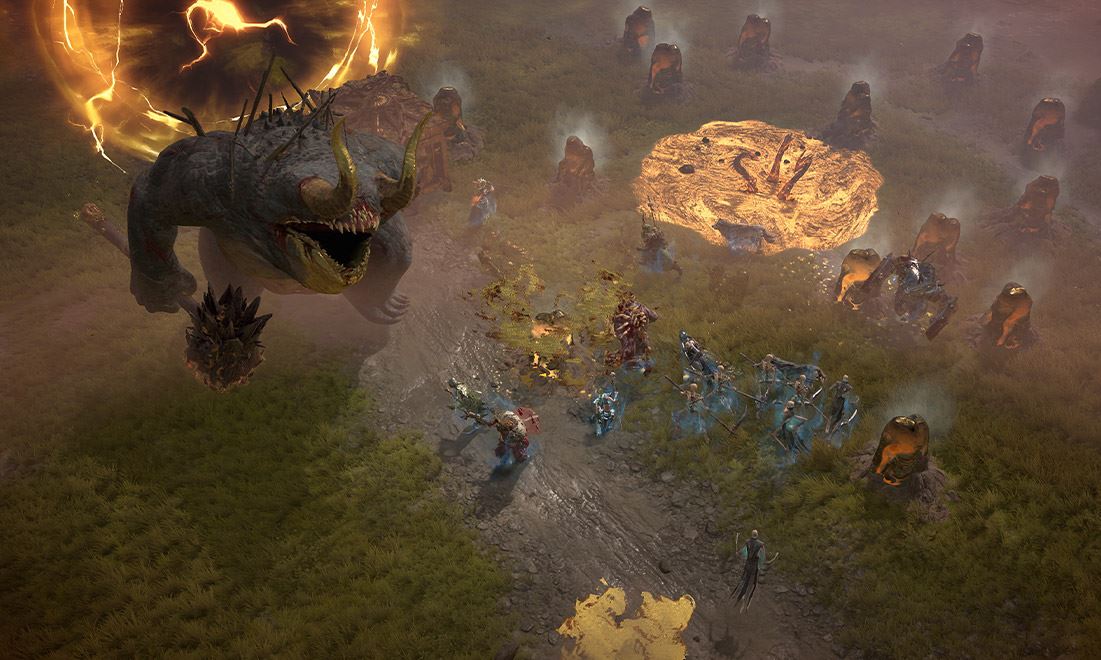
| Rank | Game Title | Release Year | Tier | Notes |
|---|---|---|---|---|
| 1 | Diablo II: Lord of Destruction | 2001 | S | The ultimate ARPG classic with deep mechanics, rich lore, and beloved expansions. |
| 2 | Diablo II | 2000 | A | Groundbreaking sequel with vast zones, skill trees, and iconic bosses. |
| 3 | Diablo I | 1996 | A | The atmospheric original that defined the genre with tense, scary gameplay. |
| 4 | Diablo IV: Vessel of Hatred | 2024 | B | Improved expansion with better loot systems, fresh endgame, and new class. |
| 5 | Diablo III: Reaper of Souls | 2014 | B | Expansion that fixed many original issues, added Adventure Mode and depth. |
| 6 | Diablo IV (Original Release) | 2023 | C | Strong campaign and atmosphere but lacking in endgame content initially. |
| 7 | Diablo III (Original Release) | 2012 | C | Controversial launch with online-only, auction house, and balancing problems. |
| 8 | Diablo: Hellfire | 1997 | D | Third-party expansion, rushed and disconnected from main story, uneven design. |
| 9 | Diablo Immortal | 2022 | D | Mobile-focused with heavy monetization and pay-to-win PvP aspects. |
1. Diablo II: Lord of Destruction (2001) Tier S
Diablo II: Lord of Destruction is widely regarded as the pinnacle of the Diablo series and one of the greatest ARPGs ever made. This expansion added a whole new fifth act, where players face Baal, the Lord of Destruction, the last of the Prime Evils. Beyond the story, it introduced rune words, which are secret combinations of runes that unlock powerful weapons and armor, adding a deep layer of customization and build diversity.
Key features include the Horadric Cube (a crafting and upgrading tool), charms that provide passive bonuses, and set items that grant special effects when worn together. The expansion also introduced two new classes: the Assassin, a stealthy fighter who uses traps and martial arts, and the Druid, a shapeshifter who can turn into a werewolf or werebear and summon animals to fight alongside him. Both classes added vast new gameplay variety.
Skill trees were enhanced with synergies, allowing abilities to boost each other for more powerful builds. The game’s remaster, Diablo II: Resurrected, updated graphics while preserving core gameplay, proving the timelessness of this title. The depth of mechanics, challenging difficulty tiers, and rich lore make it the gold standard for ARPGs.
2. Diablo II (2000) Tier A
Diablo II refined and expanded upon the foundation of the original Diablo with four vast, beautifully crafted zones to explore. It introduced waypoint fast-travel systems and three difficulty tiers—Normal, Nightmare, and Hell—unlocking progressively harder challenges. The game’s deep skill trees allowed for precise character customization, enabling players to focus on unique skill combinations and builds.
The itemization system is often hailed as the best in the series, with thousands of unique, rare, and legendary Diablo 2 items that meaningfully impact gameplay. Players face all three Prime Evils—Diablo, Mephisto, and Baal—as well as the two Lesser Evils, Andariel and Duriel, making the story and boss fights especially memorable. Randomized dungeons and loot drops keep every playthrough fresh and exciting.
3. Diablo I (1996) Tier A
The original Diablo laid the foundation for the hack-and-slash ARPG genre. Its dark, oppressive atmosphere, random dungeon layouts, and random loot drops created a tense and replayable experience. The game was scary and challenging, especially as players felt vulnerable rather than overpowered. The Butcher boss, famous for yelling “Fresh meat!”, scared many players and became an icon of the franchise.
Diablo I also pioneered Blizzard’s Battle.net online multiplayer, allowing cooperative dungeon crawling with friends. The game’s soundtrack remains a classic, enhancing the eerie mood. The simplicity and difficulty of the first Diablo make it a timeless experience that still holds up today.
4. Diablo IV: Vessel of Hatred (2024) Tier B
Vessel of Hatred is the first expansion for Diablo IV, addressing many issues from the base game. It introduces revamped itemization featuring D4 gear crafting options like tempering (improving stats) and masterworking (unlocking powerful bonuses), making loot more meaningful and tailored to player builds.
The expansion adds engaging new endgame content such as a boss ladder, Infernal Hordes wave challenges, and the return of the classic Pit dungeon. It also reintroduces “tournament levels” that increase difficulty for better rewards. The new zone Nantu, originally from Diablo II’s Act III, expands the world with atmospheric detail.
One of the biggest highlights is the Spiritborn class, a unique addition to the franchise that uses ghostly powers to fight, offering fresh gameplay mechanics and a distinctive playstyle.
5. Diablo III: Reaper of Souls (2014) Tier B
Reaper of Souls significantly improved Diablo III by addressing nearly all launch issues. It introduced Adventure Mode, allowing players to skip the campaign and dive straight into endgame content, which was a major shift in gameplay style. The addition of the Angel of Death, Malthael, as the main antagonist brought a darker tone to the story.
Loot 2.0 smart loot system tailored gear drops to your class, making item hunting more rewarding. The controversial real-money auction house was removed, restoring fairness. Other new features included Greater Rifts—endless dungeons with increasing difficulty—legendary gems, set items with bonus effects, and the Kanai’s Cube, which allows players to extract and utilize legendary powers.
6. Diablo IV (Original Release, 2023) Tier C
When it launched, Diablo IV was praised for its cinematic storytelling, dark atmosphere, and voice acting that recaptured the essence of Diablo II. The campaign and early gameplay were highly engaging. However, players found the endgame lacking in content, with low monster density in Hell Tides and Nightmare Dungeons, and frustrating dungeon layouts requiring backtracking.
The itemization system was confusing due to overly specific stats, three tiers of items (normal, sacred, and ancestral), and the inability to store legendary item “aspects” separately, leading to inventory clutter. The lack of loot filtering made gear management tedious.
7. Diablo III (Original Release, 2012) Tier C
The original release of Diablo III suffered from several issues, most notably the always-online requirement, which led to long queue times and the dreaded “Error 37.” The real-money auction house transformed gameplay into a marketplace, devaluing the fun of item hunting. Itemization was poorly balanced, with many class-inappropriate items dropping randomly. Legendary items were rare and not always the best choice.
The story also disappointed fans by killing off a beloved character in an unsatisfactory manner. Blizzard canceled the planned second expansion to focus on fixing the game, and many fans felt the franchise lost momentum.
8. Diablo: Hellfire (1997) Tier D
Hellfire is an expansion developed by a third-party studio, released between Diablo I and Diablo II. It was rushed, with only two months of development time, resulting in a game that feels disconnected from the main Diablo universe. The expansion adds two new zones, the Nest and the Crypt, which have no meaningful lore connection to Sanctuary.
The items and skills introduced are unbalanced, with some too weak and others overpowered. The new zones have poor layouts, and melee characters often face frustrating gameplay because many monsters flee rather than fight. The only quality-of-life improvement was faster movement speed in town.
9. Diablo Immortal (2022) Tier D
Diablo Immortal is the most controversial entry in the series, released after an 8-year wait for a mainline game. It disappointed fans by being a mobile-focused title with heavy monetization. To fully upgrade characters and compete in PvP, players may need to spend exorbitant amounts of money, creating a pay-to-win environment that many found predatory.
Despite this, Immortal offers new lore and unique classes like the Tempest and Blood Knight. It featured a popular crossover event with the Berserk IP, and its portability allows play on the go. However, its gameplay depth and fairness pale compared to mainline Diablo titles.
Final Thoughts
The Diablo series remains a pillar of action RPG gaming. For new players, starting with Diablo II: Lord of Destruction (or its remaster) offers the best introduction. Mobile fans can explore Diablo Immortal cautiously, while the evolving Diablo IV continues to improve with expansions like Vessel of Hatred. Whatever your choice, enjoy battling demons, collecting loot, and exploring the dark world of Sanctuary at your own pace.